


A summer low of 65°F sounds like an invitation to eat outside. It might actually be an invitation to wake up early.
The day's minimum tells you where the temperature bottoms out, not what the air feels like when you leave work. A city can advertise wonderfully cool nights while remaining hot through dinner. Another can barely cool at all overnight because the evening was already mild.
Boise, Duluth and coastal San Diego demonstrate three very different versions of that story. Santa Fe adds a fourth question: what happens when the high-desert evening you imagined is also part of thunderstorm season? To compare them, we need a clock as well as a thermometer.
Put a Time Beside the Temperature
NOAA publishes hourly climate normals, which let us look at a specific part of the day. The following are July 15 hourly temperature normals from the 1991–2020 period at three airport stations. These are long-term climatological values, not the forecast for a particular July 15.
| Station | 6 a.m. | 8 p.m. | 10 p.m. | 8 p.m. dew point |
|---|---|---|---|---|
| Boise Air Terminal | 63.5 | 88.9 | 81.1 | 39.2 |
| Duluth airport | 59.1 | 70.1 | 64.7 | 57.2 |
| San Diego, Lindbergh Field | 66.7 | 68.8 | 67.8 | 61.1 |
Sources: NOAA station files for Boise, Duluth and San Diego. NOAA reports local standard time; the displayed clocks add one hour for July daylight time. Each normal uses a 15-day window around the date across the reference years.
The contrast is larger than a daily-low comparison suggests. At 8 p.m., Boise is about 20°F warmer than San Diego in this example. By 6 a.m., Boise is cooler. A household that loves an early walk and one that wants dinner on the patio can reach opposite conclusions from the same weather record.
Boise: The Cooling Arrives Later
Boise's overnight relief is real. So is the wait. The table still shows 81.1°F at 10 p.m., not a ready-made 65-degree evening. Dry air does not make that temperature vanish; it changes the experience of it.
The dew point helps explain why a warm Boise evening need not feel like an equally warm, humid coastal evening. At 8 p.m., its normal is 39.2°F, far below the two other stations. The National Weather Service recommends dew point over relative humidity for comparing how much moisture is in the air. Relative humidity changes with temperature even when that moisture does not.
Someone comfortable in dry warmth may happily choose Boise's version of summer. Someone choosing it specifically for cool after-work hours should not let the morning temperature make the decision. That is a scheduling mismatch, not a failure of the climate data.
Duluth: The Lake-Side Version
Duluth is already much closer to the imagined cool evening: 70.1°F at 8 p.m. and 64.7°F at 10 p.m. in this matched-date comparison. Its moisture level is higher than Boise's, but the air temperature starts from a very different place.

The airport is not the waterfront, however. Lake breezes can replace warmer air over land with cooler air from the water. The National Weather Service's explanation of lake breezes describes why the effect depends on the land-water temperature contrast and background wind. A lakeside walk and an inland backyard can be different outings on the same day.
For a mover, that creates a useful second comparison within the city. Is being close to the water the point, even on cool, breezy evenings? Or is the desired combination a warmer garden with the lake a short trip away? "Duluth summer" contains both questions.
Santa Fe: The High-Desert Version
Santa Fe invites the same cool-night intuition as Boise, with an additional factor: the city sits around 7,000 feet above sea level. It is reasonable to investigate it for relief from low-desert heat. It is not reasonable to turn that elevation into a promise about dinner at 8 p.m.

Summer is also monsoon season. Moisture and thunderstorms interrupt the simple picture of uniformly dry days fading into clear, cool nights. Tourism Santa Fe's local guidance specifically notes that monsoon rain can cool a hot day and rapidly change humidity. A cooled-off plaza after a storm is not the same experience as an uninterrupted afternoon outdoors.
Santa Fe is not included in the hourly table: a comparable station file was not available in the NOAA hourly product we used. Substituting an overnight low would recreate the very mistake this comparison is meant to catch. The city remains worth investigating; its exact evening-hour advantage is not established by the figures above.
San Diego: The No-Transition Version
Coastal San Diego barely changes between the three hours in our table. Its 8 p.m. normal is 68.8°F; at 6 a.m. it is 66.7°F. There is little dramatic release because the evening does not begin with much heat to shed.
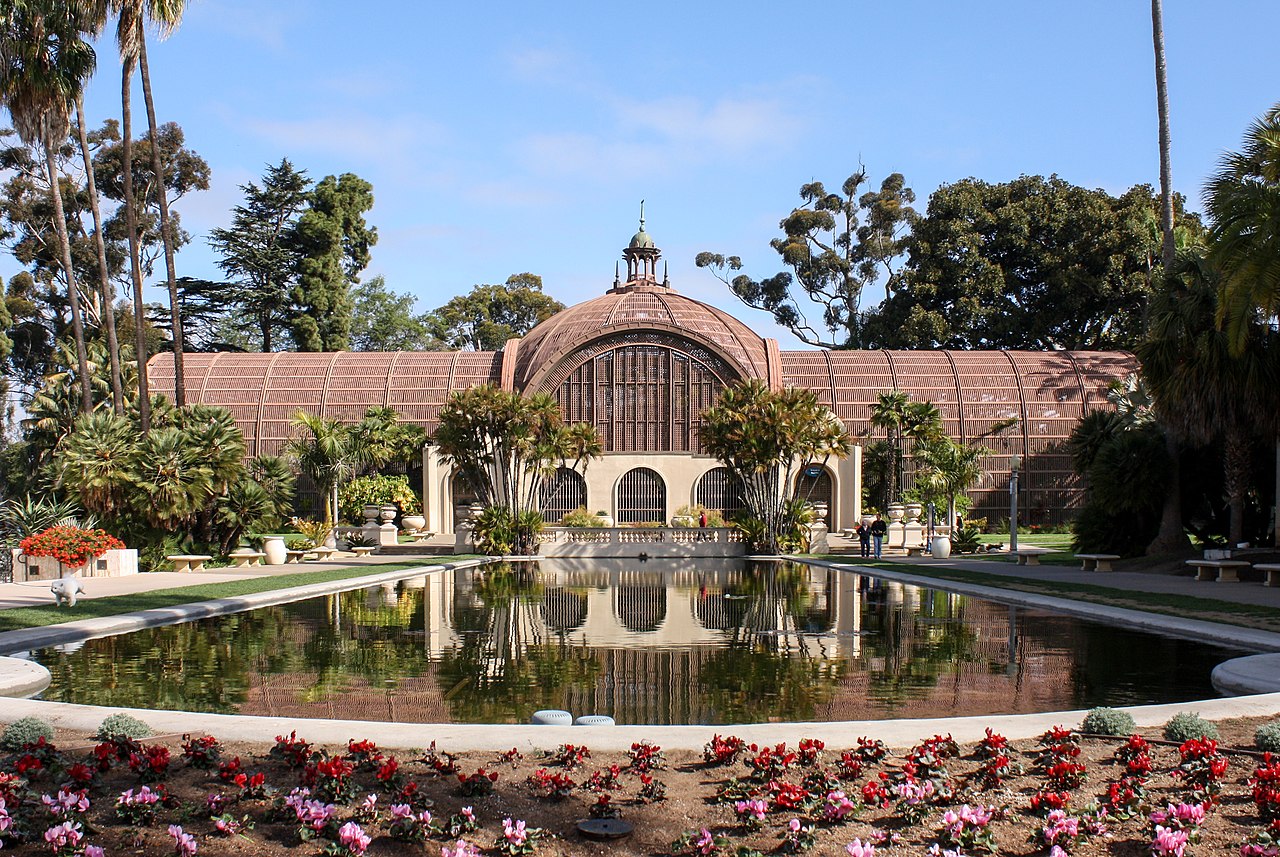
The marine influence comes with its own texture. Cool coastal water, onshore flow and the marine layer help moderate conditions, while low cloud and higher moisture distinguish the experience from the dry interior. The National Weather Service's marine-layer explainer makes clear that this is a coastal process, not a guarantee for every address in San Diego County.
Someone who wants dependable mild air near the water may prefer that small daily swing. Someone who loves a very warm afternoon followed by a sharp change might find it less satisfying. Neither preference can be captured by awarding every city points for a low number at dawn.
Shop for the Hours You Actually Use
Start with the four-city comparison, then make the weather question personal in a concrete way. An early runner, a family eating outdoors at six and a person reading on a balcony at ten are shopping for different hours.
A daily high and low still make a useful first pass. The next pass needs the temperature and dew point at the hour you care about, at a station relevant to the neighborhood. The memorable number is not always 65 degrees. Sometimes it is the eight hours between the evening you want and the cool air you were promised.


