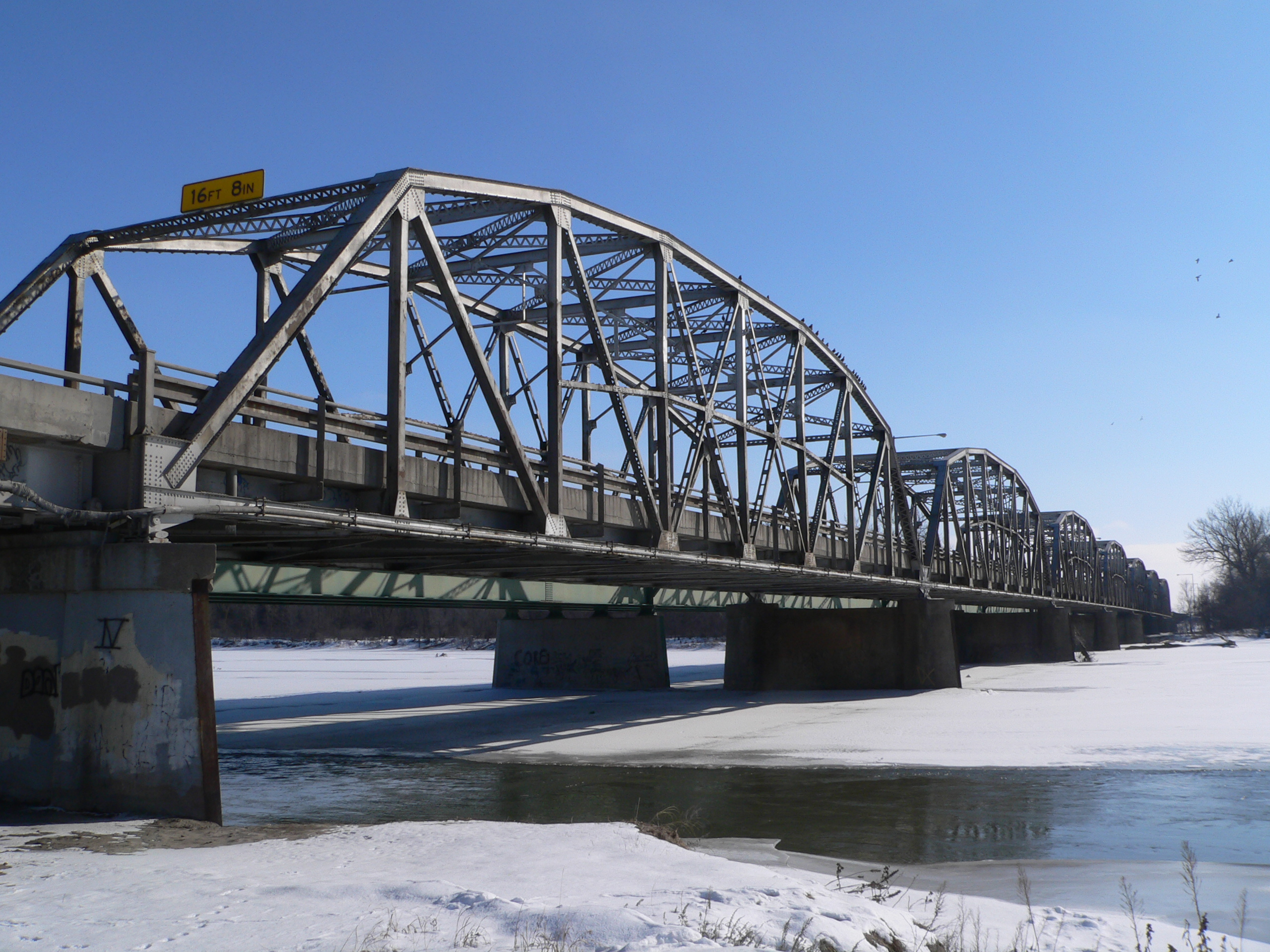
City in and county seat of Platte County, Nebraska, United States
Columbus
Weather & Forecast
The cold season is long. Rain peaks in the warmer months. Winter is not just a brief interruption. Noticeable daylight swing. Snow is a real part of winter.
About Columbus
Columbus is the county seat of Platte County, Nebraska, situated at the confluence of the Loup and Platte rivers roughly 85 miles (137 km) west-northwest of Omaha and 75 miles (121 km) northwest of Lincoln by road, near the county's southern edge. With an estimated population of 24,464 as of 2024, it is the 10th-most populous city in Nebraska.Wikipedia
See how Columbus stacks up before you commit.
Find practical next steps in Columbus.
Housing, movers, and local services for people who are past browsing and starting to plan.
Where It Is
State Context
NebraskaU.S. stateNebraska is a triple-landlocked state in the Midwestern region of the United States. It borders South Dakota to the north; Wyoming to the west; Colorado to the southwest; Kansas to the south; and Missouri to the southeast and Iowa to the east, both across the Missouri River. Nebraska is the 16th-largest state by land area, with just over 77,347 square miles (200,330 km2). As of the 2020 census, the population was 1,961,504, and was estimated to be 2,018,006 in 2025, it is the 38th-most populous state and the eighth-least densely populated.Wikipedia
About the Region
Great PlainsThe Great Plains represent some of the most genuinely affordable cost of living in the United States. Cities like Omaha, Kansas City, and Des Moines consistently rank near the top of affordability indices while maintaining real cultural amenities. Kansas City has emerged as a surprising food, arts, and startup destination. Omaha's financial services backbone — anchored by Berkshire Hathaway and a cluster of insurance and banking firms — provides white-collar economic stability that defies the region's agricultural image.
The trade-off is climate volatility. Tornado Alley runs directly through this region, with the world's highest concentration of significant tornadoes. Winters bring blizzards and wind chills far below zero, while summers are hot and humid in the east, hotter and drier to the west. The Great Plains remain one of the least densely populated regions in the Lower 48 — long drives between cities, limited public transit, and a car-dependent lifestyle are material considerations for urban transplants.
Nearby Parks & Nature
Closest protected landscapes, reserves, and big park systems surfaced from the same nearby feeds used in compare.
Federal Park Sites
Local Nature & Reserves
City Profile
Housing Costs & Income
Livability
Climate Through the Year
Annual average of days with more than five hours of sunshine, not necessarily clear skies.
Comfort combines temperature band fit, humidity fit, seasonal swing, and penalties for long stretches of extreme heat or cold. Higher scores mean the yearly pattern stays closer to an easier day-to-day climate band.
Local Next Steps
Housing and local help for a move to Columbus
Real estate, rentals, moving help, and everyday local businesses for people taking a serious look at Columbus. Sponsored placements are clearly labeled and never influence the city data.
Compare Columbus with other cities
Stack it side-by-side against cities you're considering.