Collections
Discovery hubs for people who compare places on purpose
These are data-backed WhyThere collections: part crawl highway, part discovery surface, part future sponsor inventory. Each one groups cities around a real decision lens instead of a generic sitemap bucket.

Soccer Towns
MLS markets where top-flight soccer is part of the civic rhythm, from stadium districts to broader relocation context.
A curated sports-and-place collection for cities with an MLS footprint across the U.S. and Canada. Venue suburbs are intentionally rolled up to the city or metro people usually mean when they talk about the team, so the cards stay useful for relocation and discovery instead of becoming a stadium-address list.
Sponsor fit: Strong fit for local real estate teams, tourism partners, soccer bars, downtown districts, and relocation campaigns that want to show up around an existing city-affinity signal.
Photo by Peter Glaser · Soccer stadium
No Real Winter
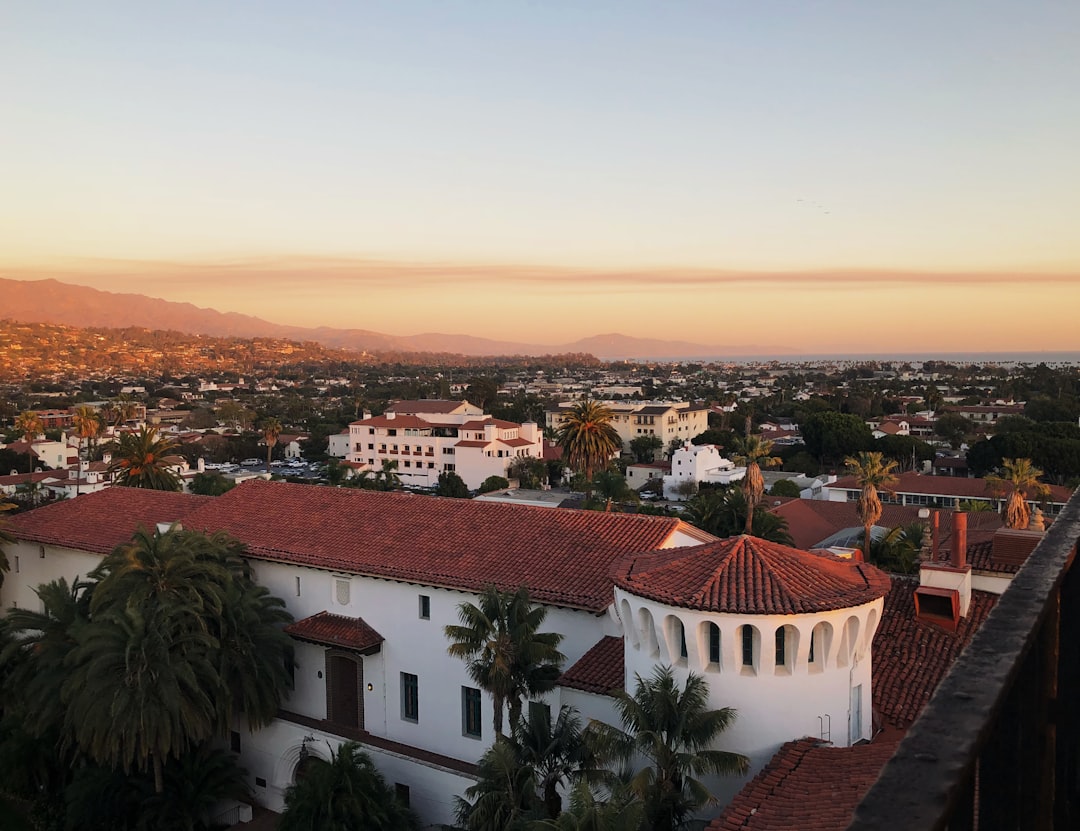
Places where winter barely asserts itself, with low snow and an easy year-round climate profile.
A climate-led collection for cities where winter is more rumor than season. WhyThere currently scores these using low snowfall, plenty of sun, mild average highs, and enough comfort to avoid obvious tradeoff traps.
Sponsor fit: Strong fit for sun-belt cities, retirement destinations, and warm-weather place-marketing partners.
Photo by Yifan Ma · Santa Barbara, California

Walkable Cities With Lower Rent
Cities that still let you get around on foot without forcing big-coastal housing costs.
A decision-focused collection for people who care about daily life more than slogans. The current mix favors stronger central-location Walk Score readings, sub-$1,800 median rent, and enough population to avoid tiny-town false positives.
Sponsor fit: Strong fit for apartment platforms, newcomer guides, and city partners selling practical urban life rather than hype.
Photo by Tom Barrett · Milwaukee, Wisconsin

Climate Twins
Cities connected by comparable rainfall seasons, ocean influence, elevation, or volcanic geography—even when they are continents apart.
Three documented comparison families anchor this collection: the wet temperate forests around Portland, Valdivia, and the Caspian coast; the dry-summer coastal climates of San Francisco and Lisbon; and the volcanic North Atlantic settings of Ponta Delgada and Reykjavík.
Sponsor fit: Strong fit for tourism boards and international regions that can connect a familiar climate pattern to a less familiar destination.
Photo by Svetlana Gumerova · Lisbon, Portugal

The Altitude Hack
Established high-elevation cities where altitude materially changes the temperature pattern shown on the map.
This collection compares major highland cities in Latin America with high-elevation metros in the American West. Every included city sits roughly 4,500 feet or more above sea level, and the cards surface elevation alongside average highs, sunshine, and climate comfort.
Sponsor fit: Strong fit for established highland cities, mountain metros, and tourism boards that can explain the practical effect of elevation.
Photo by Doni Rath · Santa Fe, New Mexico

Mountain West
A browseable regional collection for high-desert, mountain, and interior-West cities with real WhyThere data.
This is a region-first collection rather than a value judgment. It is designed to make the Mountain West feel like a real browseable surface instead of a giant pile of unrelated city pages.
Sponsor fit: Strong fit for regional tourism, chambers, university systems, and relocation-focused partners in the interior West.
Photo by Mckenzie Maddox · Colorado Springs, Colorado

Gray And Green
Cities where cloud cover, moisture, and lushness shape the mood more than relentless sun.
A climate-and-feel collection for places where lower sunshine and wetter air are part of the identity, not just an unfortunate side effect.
Sponsor fit: Strong fit for Pacific Northwest and other moisture-rich markets, especially places leaning into greenery, culture, and anti-sun-belt identity.
Photo by Michael Ali · Portland, Oregon

Surprisingly Soggy
Cities that rack up serious rainfall without looking or feeling like classic gray-weather stereotypes.
A climate-surprise collection for places that are wetter than their reputation suggests. The current lens looks for meaningful annual rainfall, plenty of sun, warmer average highs, and little snow so the result feels more subtropical or stormy than gloomy.
Sponsor fit: Strong fit for Gulf Coast, Southeast, and humid-subtropical markets that want to show up as green, stormy, or coastal rather than generic gray-weather destinations.
Photo by Leo Heisenberg · Charleston, South Carolina

Great Lakes Cities
Nine U.S. cities located on, or directly connected to, the Great Lakes—from Duluth and Milwaukee to Buffalo and Rochester.
A geography-led collection of established metros on the Great Lakes system. The shared fact is direct lake access; rainfall, snowfall, housing cost, city size, and economic trajectory still differ substantially.
Sponsor fit: Strong fit for Great Lakes tourism groups, regional institutions, universities, and city partners with a direct freshwater story.
Photo by Cesar Andriola · Madison, Wisconsin

Snowy But Affordable
Cities where winter is real, snow actually shows up, and housing does not immediately jump into resort territory.
A winter-and-value collection for people who do not mind snow but do mind paying premium-market prices just to get it.
Sponsor fit: Strong fit for practical winter markets, smaller metros, and regional partners selling real four-season life without premium pricing.
Photo by Clay Banks · Duluth, Minnesota